


More than half of the world's population now lives in cities, where buildings, infrastructure and economic activities are concentrated in a small area. As a result, urban areas are particularly vulnerable to heavy rainfall, heat waves, storms and flooding.
This is precisely where sustainable urban and neighbourhood development comes in: climate-resilient buildings have as little impact on the climate as possible and are also resistant to its effects. Local authorities play a key role in this process, anchoring appropriate strategies in guidelines, political decisions and investments.
Climate-resilient construction: clinker bricks make buildings resilient
Planners and architects also play a key role in the development of climate-resilient neighbourhoods and buildings. They integrate climate protection measures into their designs, such as high resistance to extreme weather events, energy efficiency and the use of suitable, resource-saving materials.
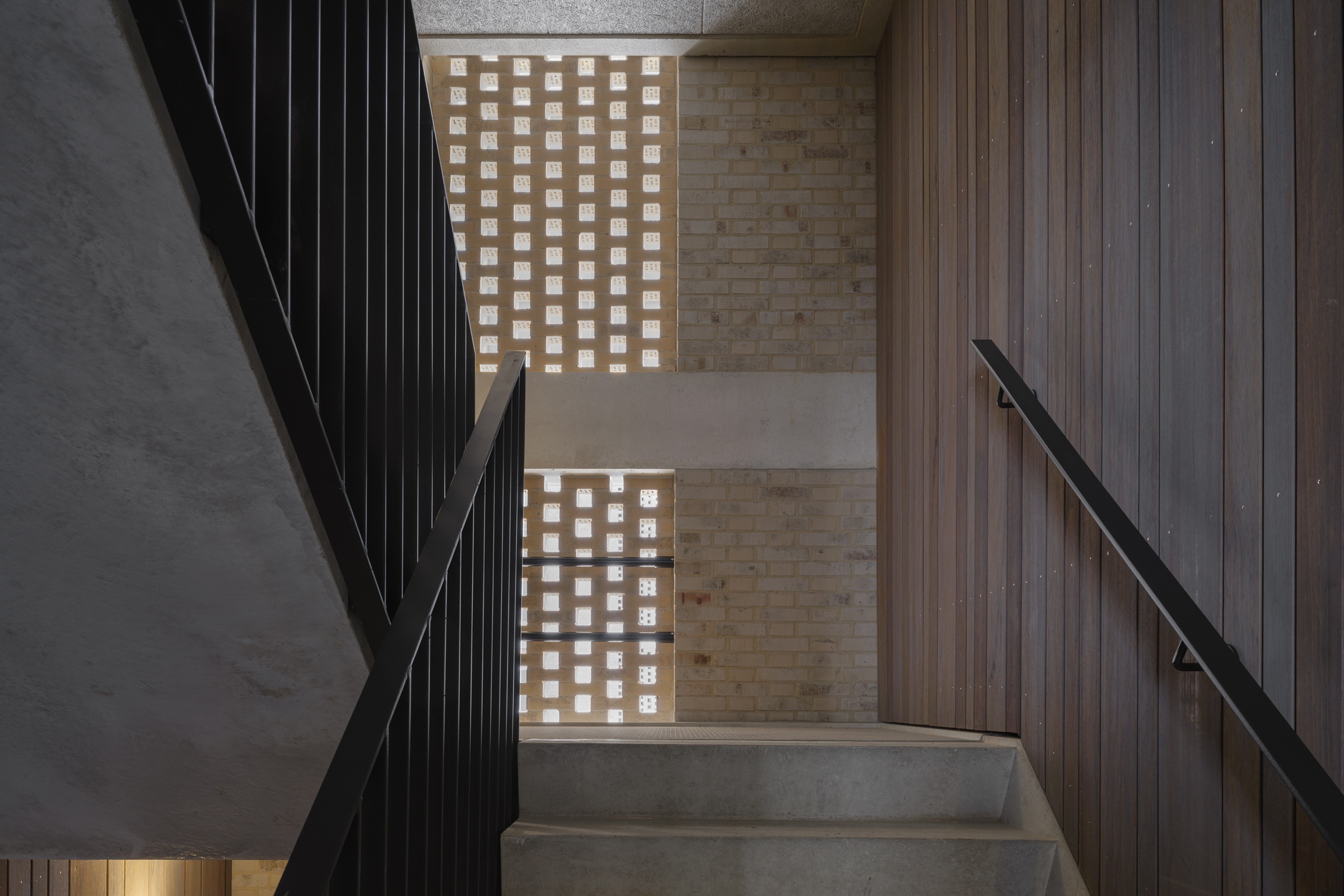
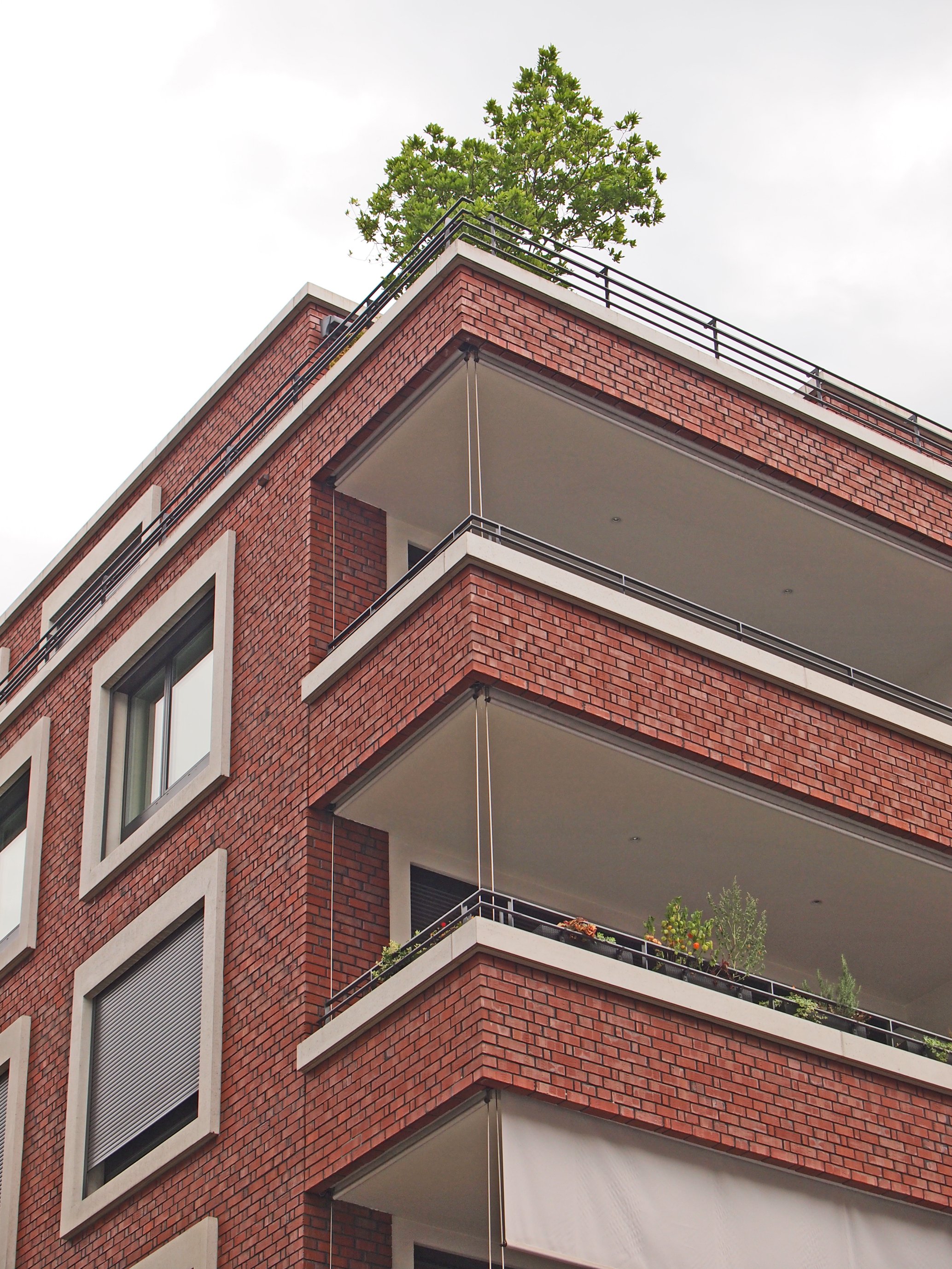
Clinker bricks in particular offer significant advantages for constructing climate-resilient buildings and designing sustainable façades.
- Clinker bricks are resistant to weather conditions such as storms and rain. Their low water absorption reliably protects the building fabric from moisture.
- They are resistant to UV radiation and are insensitive to mould or algae growth. This extends their service life and reduces maintenance costs immensely.
- Clinker brick façades help to protect interiors from overheating on hot days: they store heat during the day and release it slowly at night. This reduces the need for energy-intensive air conditioning.
- In winter, clinker brick façades support thermal insulation and reduce thermal bridges, thereby reducing the need for heating energy.
- The material – clinker bricks are made of clay – can be reused at the end of its service life. Examples of this are the upcycled clinker bricks from Hagemeister.
- They are made from existing materials that come from the demolition of buildings or from production residues, making them a sustainable alternative to traditional bricks.
Using EPD data for sustainable urban development
Detailed location and climate analyses of the respective environment determine which materials are suitable for the respective neighbourhoods. This requires construction developers and planners to examine the local climatic conditions. They also take the forecast weather and climate conditions into account in their designs – such as possible extreme weather events. It is important that buildings can withstand climatic changes, fulfil their functions in the long term and provide people with a safe living environment.
In addition, those responsible should take the impact of buildings on their surroundings into account in their planning. Information on the storage capacity of heat and rainwater provides valuable insights here. A good energy balance is crucial for developing climate-friendly buildings. The aim is to minimise energy consumption during the utilisation phase of the buildings and to keep an eye on the ecological footprint of the materials used.
Planners and architects can refer to Environmental Product Declarations (EPDs). These provide transparent, valid data that highlights the environmentally relevant properties of building products. Manufacturers such as Hagemeister commission EPDs independently. Specialist energy planning, in turn, ensures the thermal comfort of buildings and shows how heat and moisture interact.
Three measures that promote climate resilience
Even though adaptation to climate change varies for cities, neighbourhoods and buildings and depends heavily on the respective context, there are certain measures that fundamentally promote climate resilience. Planners should take the following aspects into account:
-
Use light-coloured façades and roofs: Light-coloured façades reflect sunlight instead of absorbing it, keeping heat away from buildings. This in turn reduces energy consumption for air conditioning and saves greenhouse gases.
-
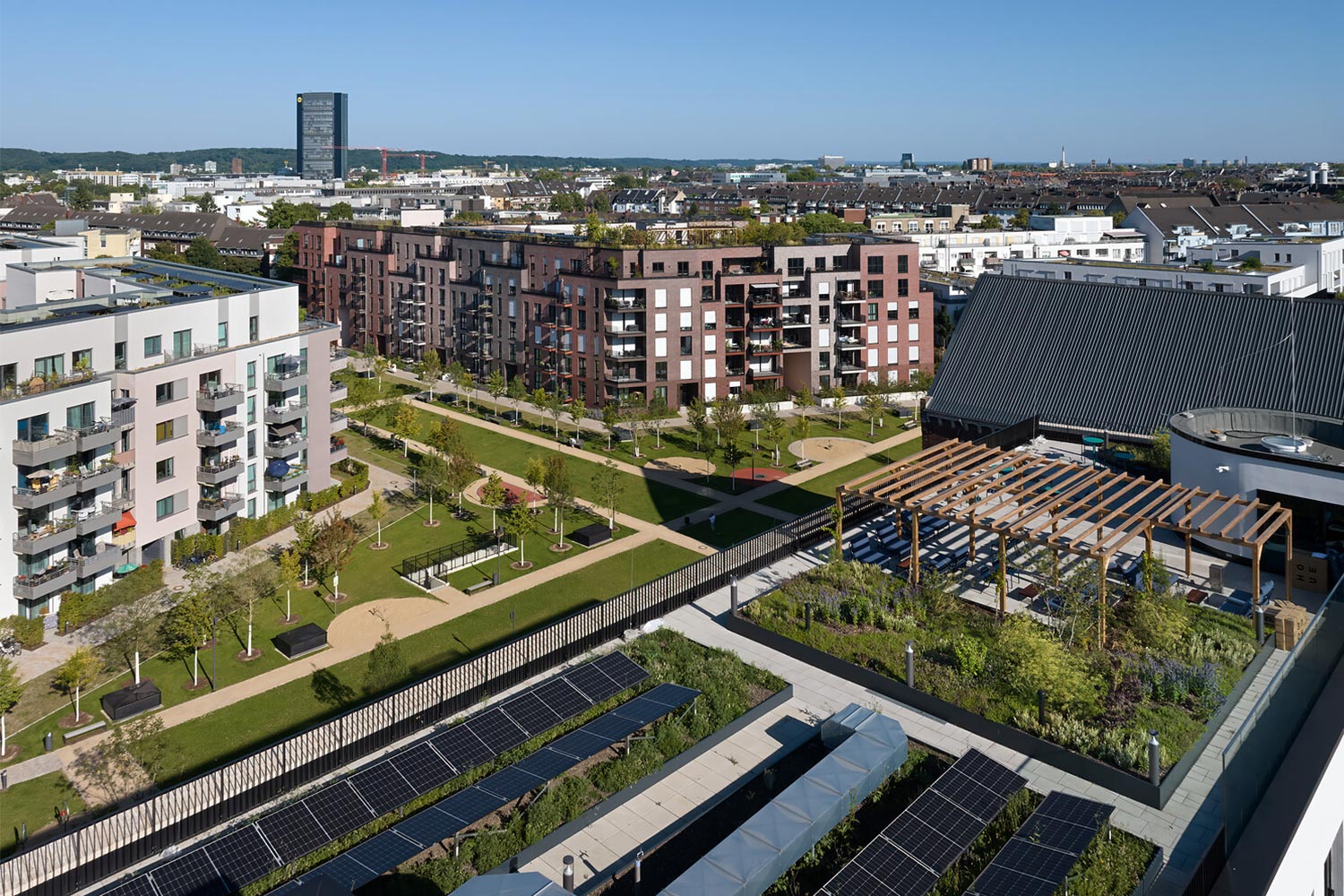
Improve the microclimate: Green roofs and façades reduce the ambient temperature, have an insulating effect and promote biodiversity in the city. Equally important is the expansion or creation of parks and green spaces. Trees and plants provide shade, cool the air and bind CO₂.
-
Avoiding and reducing sealing: Sealed surfaces made of asphalt and concrete must be broken up and replaced with water-permeable soils that store precipitation. This relieves the burden on sewer systems and makes water available to plants in the city. It also creates new groundwater. The risk of flooding after heavy rainfall is reduced – and with it the costs of potential damage.
The city of the future functions like a sponge
Das Konzept der sogenannten Schwammstadt bietet einen übergeordneten Planungsansatz, um Städte, Quartiere und Gebäude an die Folgen des Klimawandels anzupassen. Die Idee: Urbane Räume sollen so gestaltet werden, dass sie – ähnlich wie ein Schwamm – Wasser aufnehmen, approach to adapt cities, neighbourhoods and buildings to the consequences of climate change. The idea is that urban spaces should be designed in such a way that they can absorb and store water – similar to a sponge – and release it again when needed.
It was developed by Chinese landscape architect Kongjian Yu and relies on numerous green spaces, artificial lakes and retention areas where water can collect. In this context, we also talk about the expansion of blue-green infrastructure. In addition, the sponge city integrates measures that counteract soil sealing and improve the microclimate.
A key objective is to counteract the urban heat island effect. This is caused by the storage of heat in materials such as asphalt and concrete, low evaporation due to sealed surfaces and a lack of vegetation. Waste heat from traffic and industry also exacerbates this effect. The consequences are higher heat stress for the population, increased energy consumption for air conditioning and a deterioration in air quality.
Conclusion
Cities and buildings must adapt to climate change so that people can live safely and healthily and economic damage is limited. Climate-resilient planning and construction make neighbourhoods resistant to extreme weather. At the same time, measures such as light-coloured façades, green roofs, more green spaces and water-permeable floors help to improve the microclimate and reduce urban heat islands. Concepts such as the sponge city clearly illustrate how urban spaces can store water, reduce sealing and thus regulate the urban climate in a sustainable manner.
Here you will find further links:
https://www.umweltbundesamt.de/themen/klima-energie/klimafolgen-anpassung/anpassung-an-den-klimawandel-0#heisst-das-wir-betreiben-keinen-klimaschutz-mehr
https://gruene-stadt-der-zukunft.de/
https://www.forschungsinformationssystem.de/servlet/is/542870/