


Rising construction costs, scarce resources, and high energy efficiency standards present architects and building owners with enormous challenges. How can we build to a high standard while still thinking economically?
A particular focus: the building envelope. The façade is one of the most cost-intensive components of a building, yet it influences not only the first impression but also energy efficiency, service life, and maintenance costs. For every planning project, the question therefore arises: Which solution best suits my project, my budget, and my design requirements?
Double-shell or ETICS – the right solution for every project
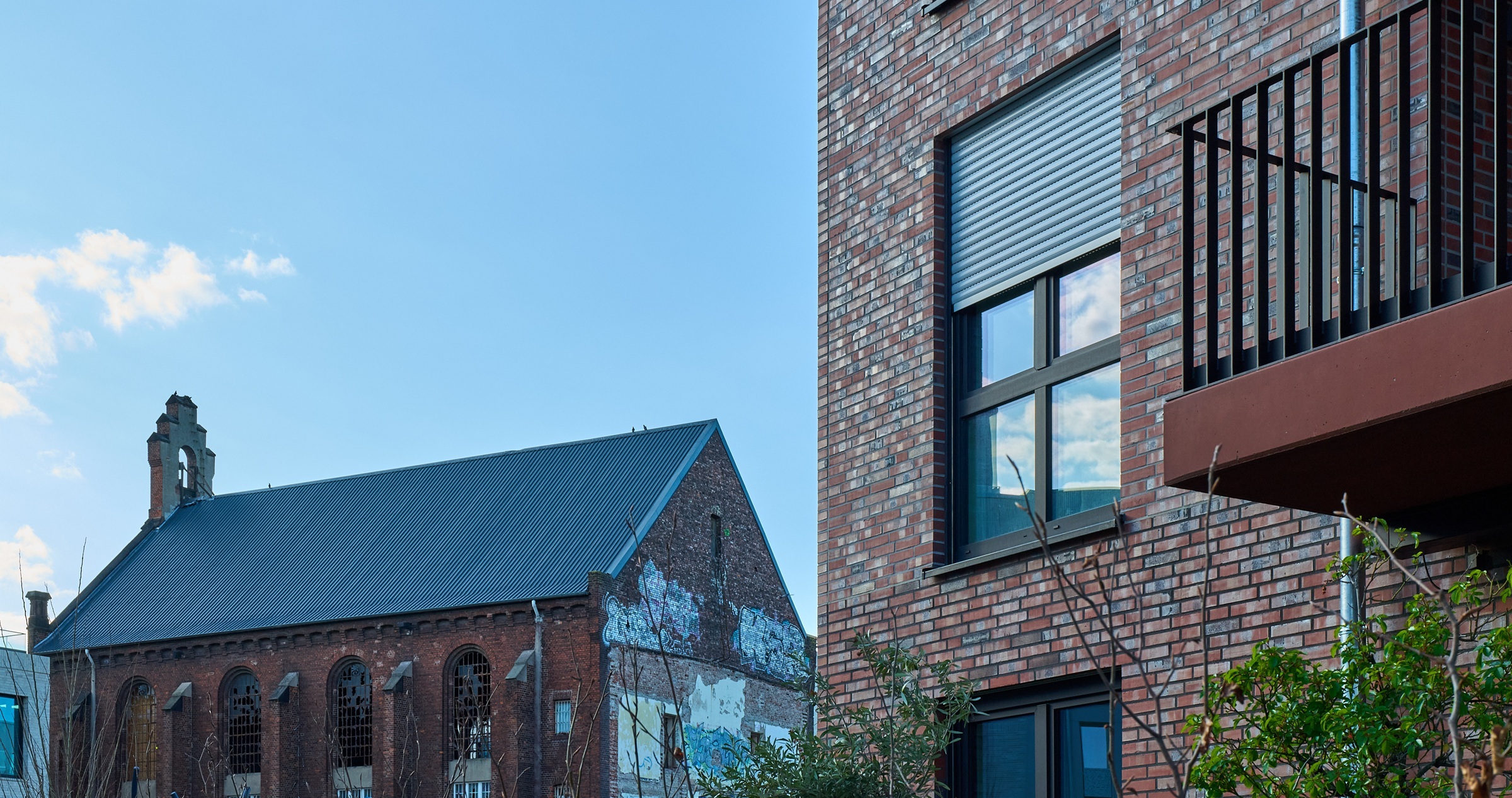
The classic double-skin clinker brick facade has been the gold standard in architectural design for decades: durable, retaining its value, and long-lasting—and a visible symbol of quality and craftsmanship. Where space, budget, and construction timelines permit, it remains an excellent choice.
However, clinker brick slips on external insulation composite systems (EICS) offer a standalone solution for specific requirements—particularly in renovations, situations with limited structural flexibility, tight construction schedules, or space-constrained projects. They open up new economic and technical possibilities without sacrificing the characteristic appeal of clinker.
What drives up the cost of facades—and how can this be influenced?
Neben den reinen Rohstoffpreisen schlagen vor allem Materialmenge und Transport zu Buche: Massive Vormauerschalen erhöhen Logistikaufwand, Gerüstbelastung und die Komplexität auf der Baustelle. Hinzu kommen statische Anforderungen: Gerade im Bestand oder bei leichten Wandkonstruktionen verlangen hohe Fassadenlasten nach aufwendiger Verankerung und stärker dimensionierten Tragwerken. Der anhaltende Fachkräftemangel verschärft die Situation zusätzlich, denn komplexe, zeitintensive Verarbeitungsschritte binden Personal und verlängern Bauzeiten. Und selbst nach der Fertigstellung wirken Kosten weiter: Nicht jede Fassade altert gleich; Systeme mit regelmäßigen Beschichtungs- oder Instandsetzungszyklen verteuern den Betrieb über Jahrzehnte.
- Materialeinsatz und Transport
Massive Vormauerschalen benötigen größere Materialmengen. Das wirkt sich nicht nur auf die Rohstoffkosten, sondern auch auf Logistik, Gerüstbelastung und Baustellenhandling aus.
- Statik und Unterkonstruktion
Insbesondere im Bestand oder bei Leichtbauwänden stellen hohe Lasten Anforderungen an Tragwerk und Verankerung. Leichtere Systeme bieten hier planerische Spielräume.
- Ausführung und Personalressourcen
Der Fachkräftemangel erhöht die Bedeutung von zeiteffizienten Systemen. Wo komplexe handwerkliche Prozesse verkürzt werden können, entstehen wirtschaftliche Vorteile.
- Wartung und Lebenszykluskosten
Nicht alle Fassadentypen altern gleich: Während hochwertige Klinkerfassaden wartungsarm bleiben, benötigen andere Systeme regelmäßig Anstriche oder Überarbeitungen – das kann langfristig teuer werden.
How can we plan more cost-effectively—without compromising on design?
In addition to raw material prices alone, material volume and transportation costs are major factors: Massive facing panels increase logistical demands, scaffolding loads, and on-site complexity. Structural requirements also come into play: Especially in existing buildings or with lightweight wall constructions, high facade loads necessitate complex anchoring and more robust structural frameworks. The ongoing shortage of skilled workers further exacerbates the situation, as complex, time-consuming installation steps tie up personnel and extend construction times. And even after completion, costs continue to mount: Not every facade ages the same way; systems requiring regular coating or maintenance cycles drive up operating costs over decades.
- Material Usage and Transportation: Solid facing shells require larger quantities of material. This affects not only raw material costs but also logistics, scaffolding loads, and on-site handling.
- Structural Engineering and Substructure: Especially in existing buildings or with lightweight walls, high loads place demands on the supporting structure and anchoring. Lighter systems offer greater design flexibility in these cases.
- Execution and Labor Resources: The shortage of skilled workers increases the importance of time-efficient systems. Where complex manual processes can be streamlined, economic advantages arise.
- Maintenance and Lifecycle Costs: Not all facade types age the same way: While high-quality clinker facades remain low-maintenance, other systems require regular painting or refurbishment—which can become expensive in the long run.
Why are clinker brick slips a good choice for ETICS?
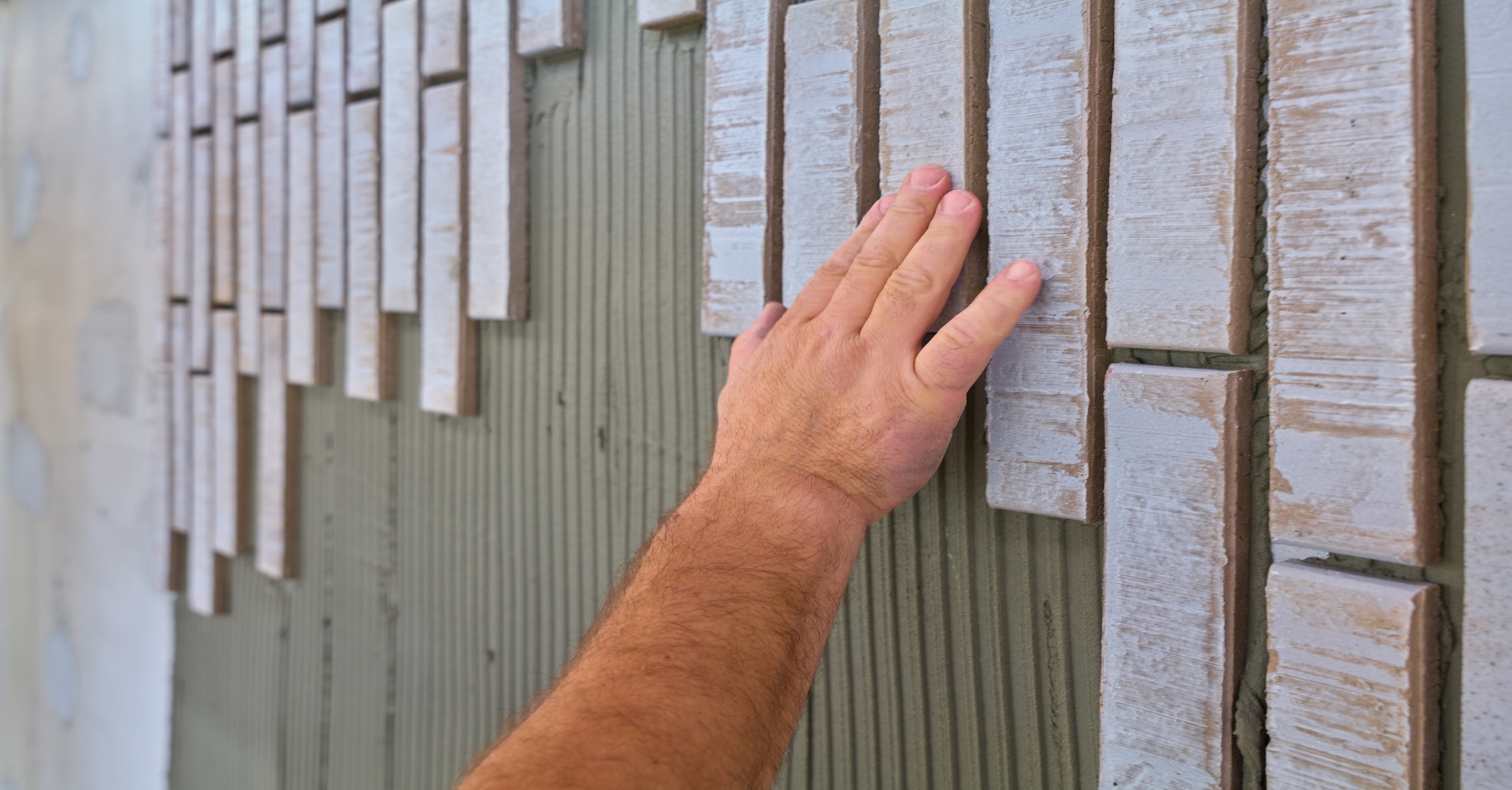
Brick slips are slim brick panels that create the appearance of solid brick masonry despite their minimal thickness. Unlike visually enhanced tiles, Hagemeister brick slips are made from full-size bricks and fired using the proven stack-firing process—ensuring an authentic texture and natural color tones.
Combining them with an ETICS ensures a permanently energy-efficient building envelope—without any impact on the structural integrity or interior spaces. This saves on materials, weight, and costs—and opens up new possibilities for renovation and new construction.
-
low weight,
-
compact installation height,
-
minimal structural requirements,
-
quick and easy installation.
Standard formats, custom solutions – full control over costs and design
Hagemeister clinker brick slips are available in various thicknesses (10–22 mm) and standard sizes (NF, DF, 2DF, long, and modular formats). There are suitable options for every budget and every facade design—ranging from simple standard solutions to custom-made profiles tailored to specific projects.
Low-maintenance and durable – a solid investment
The surface of clinker brick slips is weather-resistant, UV-stable, and stain-resistant. No painting, no re-plastering, no maintenance costs—just lasting beauty and long-term value retention.
The result:
A cost-effective facade solution that lasts for decades and performs well in both recycling and resale.
Double-skin or ETICS – two systems, one goal: architectural quality
The choice between a traditional facing brick system and clinker brick slips on an ETICS is not a matter of one being better or worse than the other—but rather a matter of project objectives, site conditions, and design intent. Both systems offer durability, visual impact, and an architecturally appealing exterior appearance.
Those facing economic or structural constraints—such as in renovation projects, multi-story residential construction, or inner-city infill development—will find clinker brick slips on ETICS to be a high-quality alternative that is flexible, resource-efficient, and visually appealing.
Conclusion: Design flexibility meets cost efficiency
Whether for large-scale commercial projects, sensitive renovations, or creative accents on existing buildings: clinker brick slips on ETICS systems enable high-quality architecture even under challenging conditions—while offering maximum design flexibility.