


Species conservation is one of the key challenges of our time. Climate change and the loss of natural habitats pose some of the greatest challenges to species conservation. In cities in particular, building-nesting species such as swifts and bats are finding it increasingly difficult to locate suitable nesting sites. The renovation of old buildings, the use of modern building materials, and increasing land sealing are causing traditional breeding grounds to be lost. This leads to a decline in biodiversity in urban areas.
To counteract this, there are ways to integrate species conservation directly into construction projects. One example is the design of facades with integrated nesting opportunities that can provide breeding sites for endangered bird species. In collaboration with the NABU Nature Conservation Station Münsterland, we have worked on a concept that combines architecture and species conservation—without compromising on aesthetics or functionality.
Buildings as Habitats: How Eco-Friendly Construction Projects Contribute to Preserving Biodiversity
The NABU Nature Conservation Station Münsterland is one of many groups within the Nature and Biodiversity Conservation Union (NABU). The station is committed to protecting endangered species in the region and works to preserve natural habitats, both in rural and urban areas.
After all, species conservation doesn’t end in the great outdoors—it also begins in our cities.
Many endangered animal species, such as birds and bats, are losing their nesting sites due to the increasing sealing of land and the use of modern building materials. Building-nesting species in particular, such as the common swift, depend on the preservation or replacement of nesting sites, as their natural breeding grounds are lost due to building renovations and new construction. This has dramatic consequences for biodiversity in urban environments.
To counteract this loss, there are initiatives to integrate species conservation directly into urban planning and architecture. One approach involves architectural solutions that create nesting opportunities on building facades. In collaboration with the construction industry and conservation organizations such as the NABU Münsterland branch, we have developed various measures to combine sustainable construction with the protection of endangered species.
One example of the importance of such measures is the protection of building-nesting birds such as the common swift. These birds, which once lived in large numbers in cities, are now increasingly dependent on artificial nesting sites. Through targeted conservation measures, such as integrating nesting opportunities into new construction and renovations, cities can actively help stabilize and secure their populations in the long term.
The Common Swift as an Example: A Fascinating Bird and Synanthropic Species
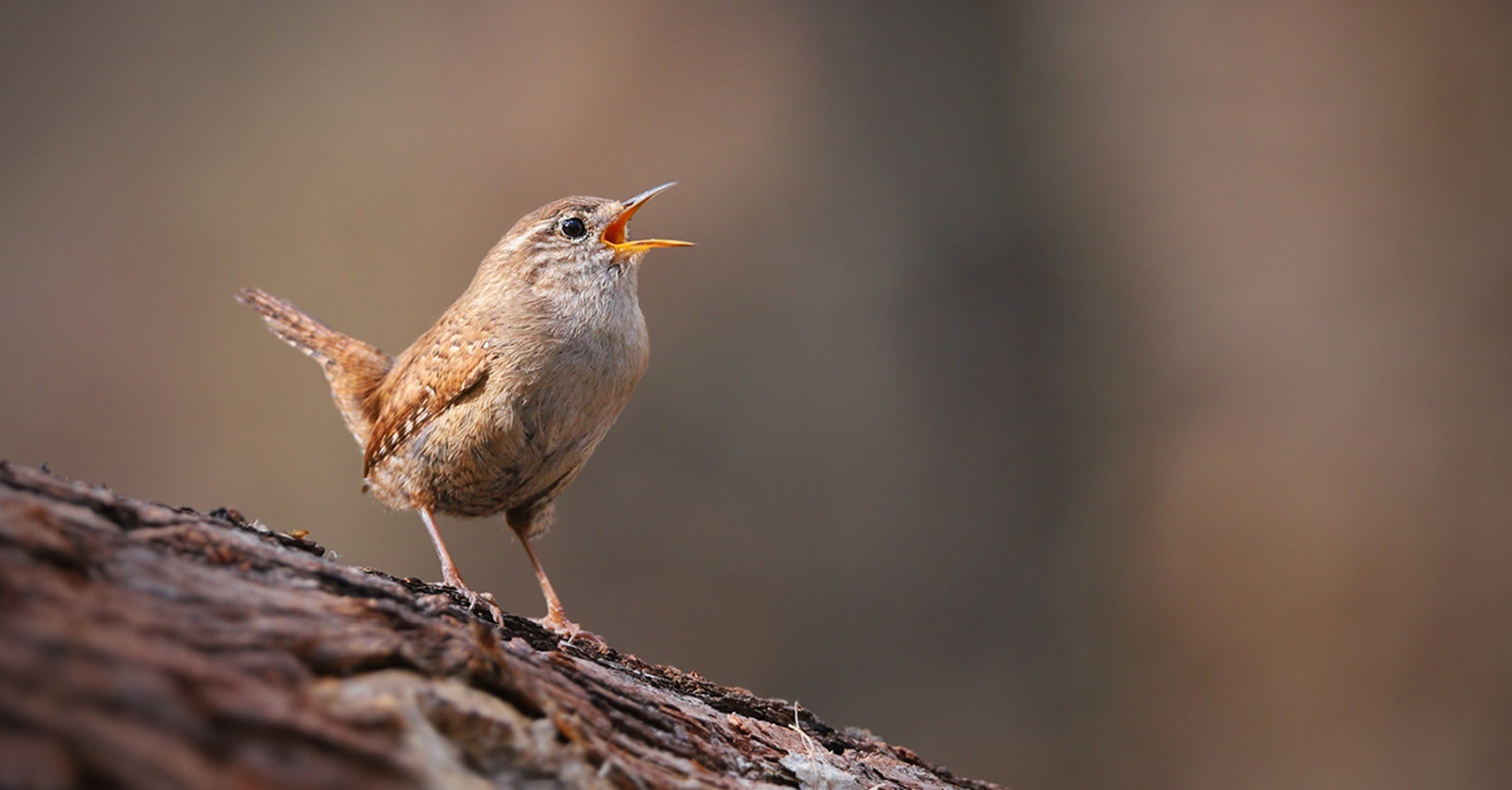
As a so-called “synanthropic species,” the common swift has adapted to human settlements over the centuries. It is an extraordinary bird that fascinates not only with its impressive flying abilities but also with its adaptation to urban life. It uses buildings to nest and raise its young.
Common swifts spend most of their lives in the air. They eat, drink, and even sleep while flying. However, they spend their breeding season in sheltered nesting sites, which they often find on building facades. These sites, however, have become increasingly scarce.
Common swifts are often confused with house martins. House martins build their mud nests under eaves, while swifts use hardly any nesting material and breed hidden in cavities. They leave hardly any traces and often go unnoticed even by residents.
These differences highlight just how specific the requirements of individual species are—and how important tailored solutions like the nesting bricks are.
Nesting Opportunities in Building Facades: Hagemeister’s Nesting Bricks
Species conservation begins right on our buildings. By practicing sustainable construction that respects nature, we can make a valuable contribution to promoting biodiversity. Integrating nesting opportunities into building facades is an effective way to provide new habitats for endangered species while supporting the ecological balance in urban areas.
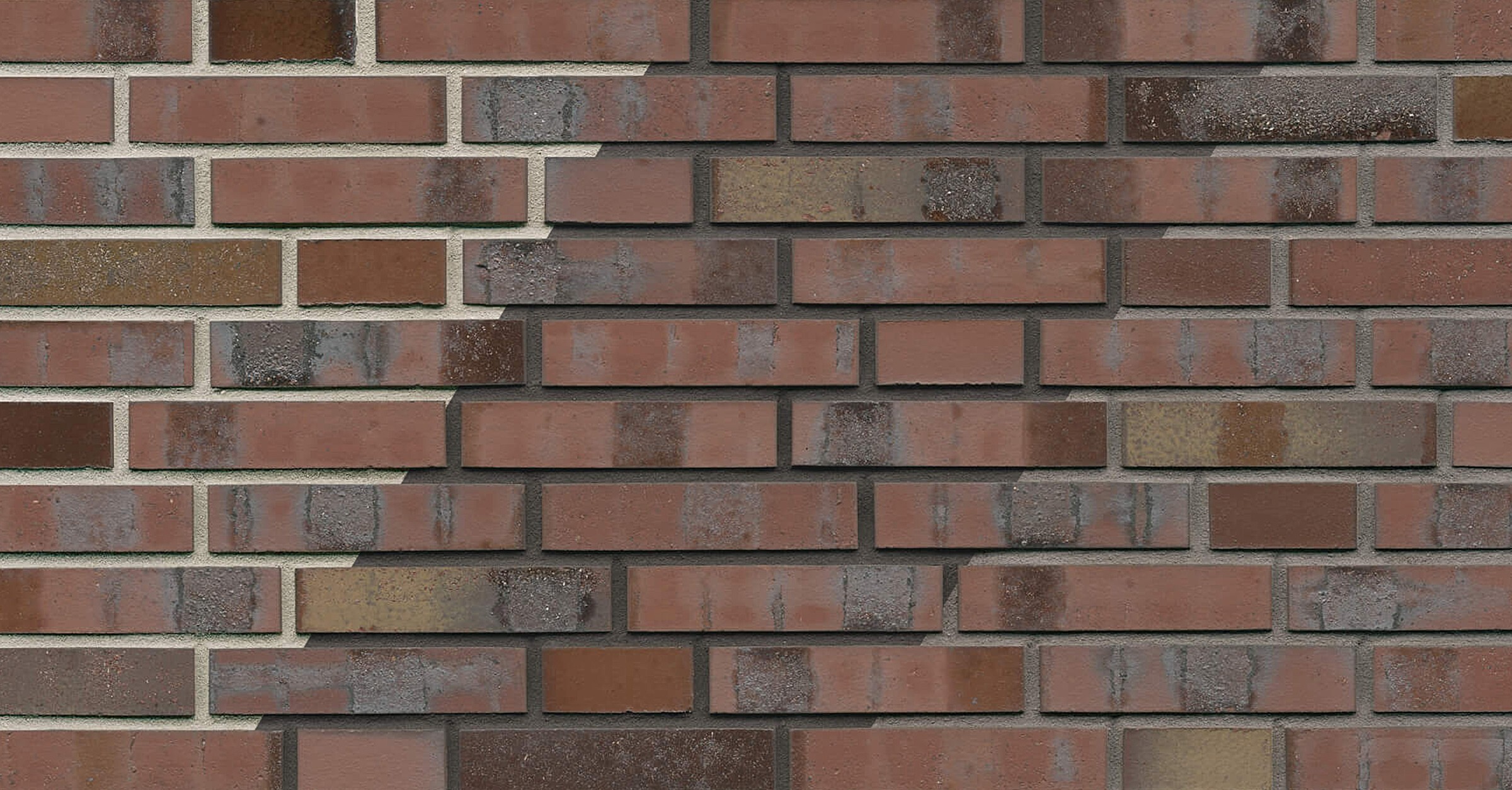
One way to promote species conservation in building construction is to integrate nesting bricks into facades. These specially developed building elements can create species-appropriate breeding sites by providing entry openings and cavities in the bricks that are suitable for the respective animal species. The nesting bricks combine aesthetic design with ecological value. In addition to their functionality and sustainability, the nesting bricks are characterized by their ease of use and versatility. They can be used in new construction, renovations, and even retrofitted, blending harmoniously into the architectural appearance. At the same time, they meet the highest ecological standards and actively contribute to the promotion of biodiversity. Thanks to their flexibility, architects and builders can adapt the nesting bricks to the individual requirements of their projects—whether in residential buildings, public buildings, or commercial construction projects.
The impact of such measures is significant: buildings with integrated nesting opportunities, such as those featuring nesting bricks, help stabilize populations of building-nesting birds in the long term. In addition to their ecological benefits, such concepts also raise awareness of the importance of species conservation in the built environment. By incorporating species conservation into urban planning and construction processes from the outset, the protection of endangered species can be supported despite urban development, while simultaneously promoting sustainable construction methods.
Biodiversity in the City: Projects for Birds and Bats
The NABU Münsterland branch is committed not only to birds such as the common swift, but also to other endangered species, such as bats. These animals, often referred to as “flying insect catchers,” are essential to a healthy ecosystem. But like birds, bats also face major challenges, as their natural habitats are being destroyed by human activity.
An important aspect of the station’s work is implementing species conservation measures in urban habitats. This is not just about preserving individual species, but about promoting biodiversity as a whole. Contrary to widespread belief, cities can be hotspots of biodiversity if they are designed correctly.
The NABU station advocates for sustainable construction and views it positively that companies like Hagemeister, with their Nistklinker product, demonstrate that this is not only possible but also looks appealing and fulfills its purpose. Projects that create nesting opportunities have a positive effect on biodiversity and help make our cities more livable.
Species Conservation as an Opportunity for the Construction Industry
Sustainability is becoming increasingly important in the construction industry—not only for climate-friendly reasons, but also for economic ones. Clients and investors are placing greater emphasis on environmentally friendly construction projects and ecological architecture. Products such as nesting bricks offer builders and architects the opportunity to fulfill their social responsibility beyond climate protection without compromising on design or functionality.
Sustainable building concepts play a central role in modern urban development. By combining innovative architecture with targeted species conservation measures, cities can make an important contribution to biodiversity. Integrating nesting opportunities into buildings is one way to offset the loss of natural breeding grounds and make urban spaces more species-friendly. Such measures help make the construction industry more environmentally friendly and sustainably reduce the ecological footprint of construction projects.
Biodiversity conservation in building design thus demonstrates how modern design and environmental responsibility can go hand in hand. Products such as nesting bricks represent a clear step toward more sustainable construction methods that meet both environmental and economic requirements.
The use of these sustainable solutions can also serve as a differentiating factor. Buildings that incorporate ecological measures are often more attractive to tenants and buyers. At the same time, they help create a positive image for companies committed to environmental and species conservation.
Conclusion: How Species Conservation and Architecture Can Be Integrated
Species conservation and sustainable construction are not mutually exclusive—they can and should complement one another. Modern architecture can be valuable not only aesthetically but also ecologically.
One way to incorporate species conservation into architecture is through the deliberate integration of nesting sites into building facades. Such structural measures make an important contribution to preserving biodiversity and can simultaneously support sustainable urban development concepts. Resource conservation, the circular economy, and the promotion of biodiversity are central elements of environmentally conscious construction. The challenges of climate change and urbanization require innovative approaches that combine ecological, economic, and social goals. Sustainable construction can play a key role in this regard by incorporating not only energy-efficient concepts but also species-friendly solutions.
For more information on species-friendly construction, sustainable building concepts, and practical solutions for integrating nesting opportunities into buildings, please refer to our white paper on nesting bricks.