


When planning a clinker brick façade, the focus is usually on the bricks themselves. Colour, texture, size and firing pattern are all carefully considered. However, the overall effect of the finished façade is determined by more than just the clinker bricks. The joints are another key design element.
Tim Rautenberg, account manager for bulk and bagged products at Remix Droge Mortel BV, explains why joint mortar for clinker brick façades needs to be considered early on in the planning process, the role of sample panels, and why façade design – particularly with regard to the joints – is always a matter of craftsmanship.
Mr Rautenberg, you have been involved in numerous planning processes. Why is the joint so often underestimated in clinker brick façades?
The clinker brick is initially the main focus. It is selected, samples are taken, and it shapes the initial design decision. By contrast, a joint can easily be seen as a by-product. Yet it can significantly alter the appearance of the façade.
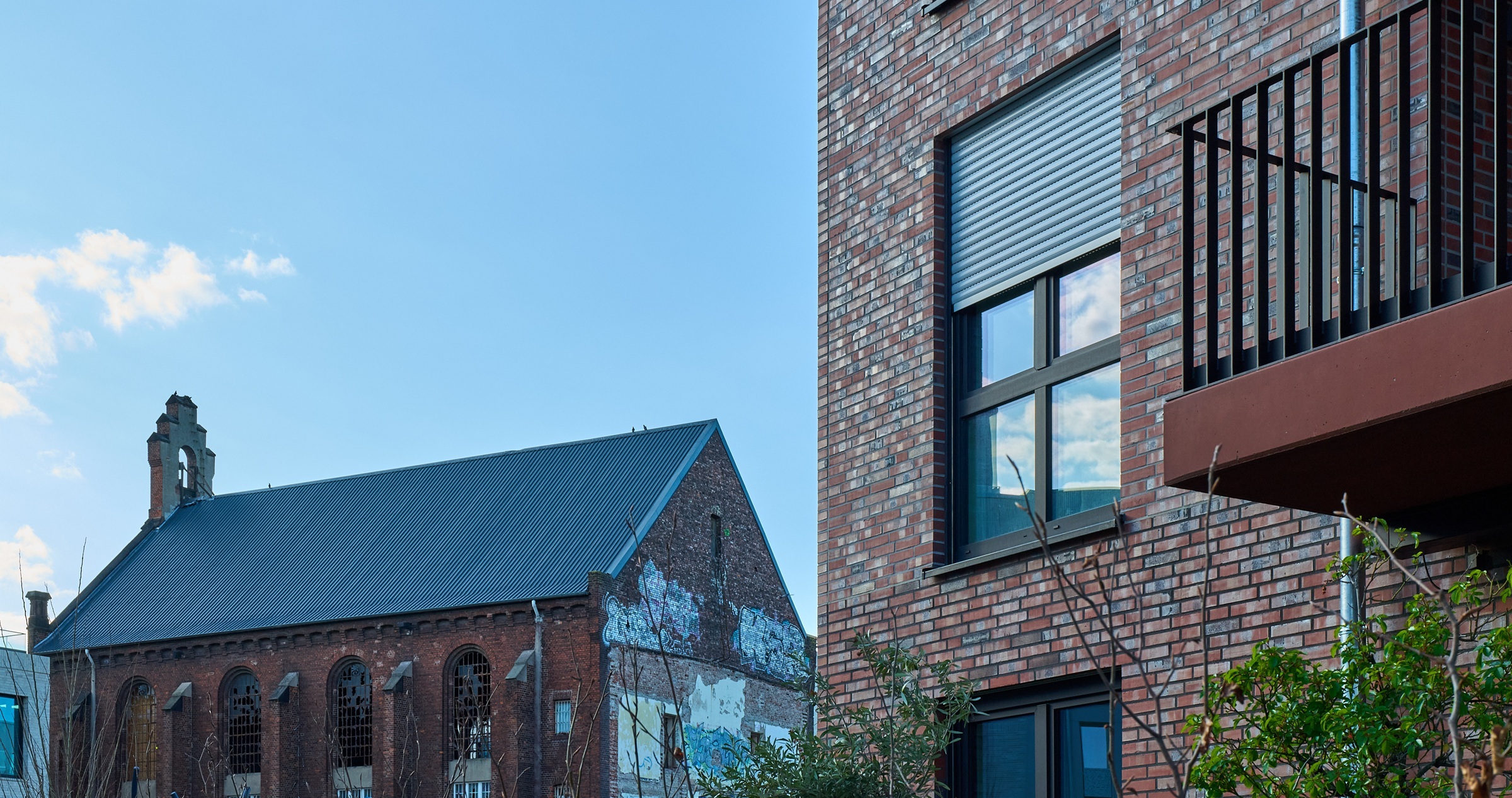
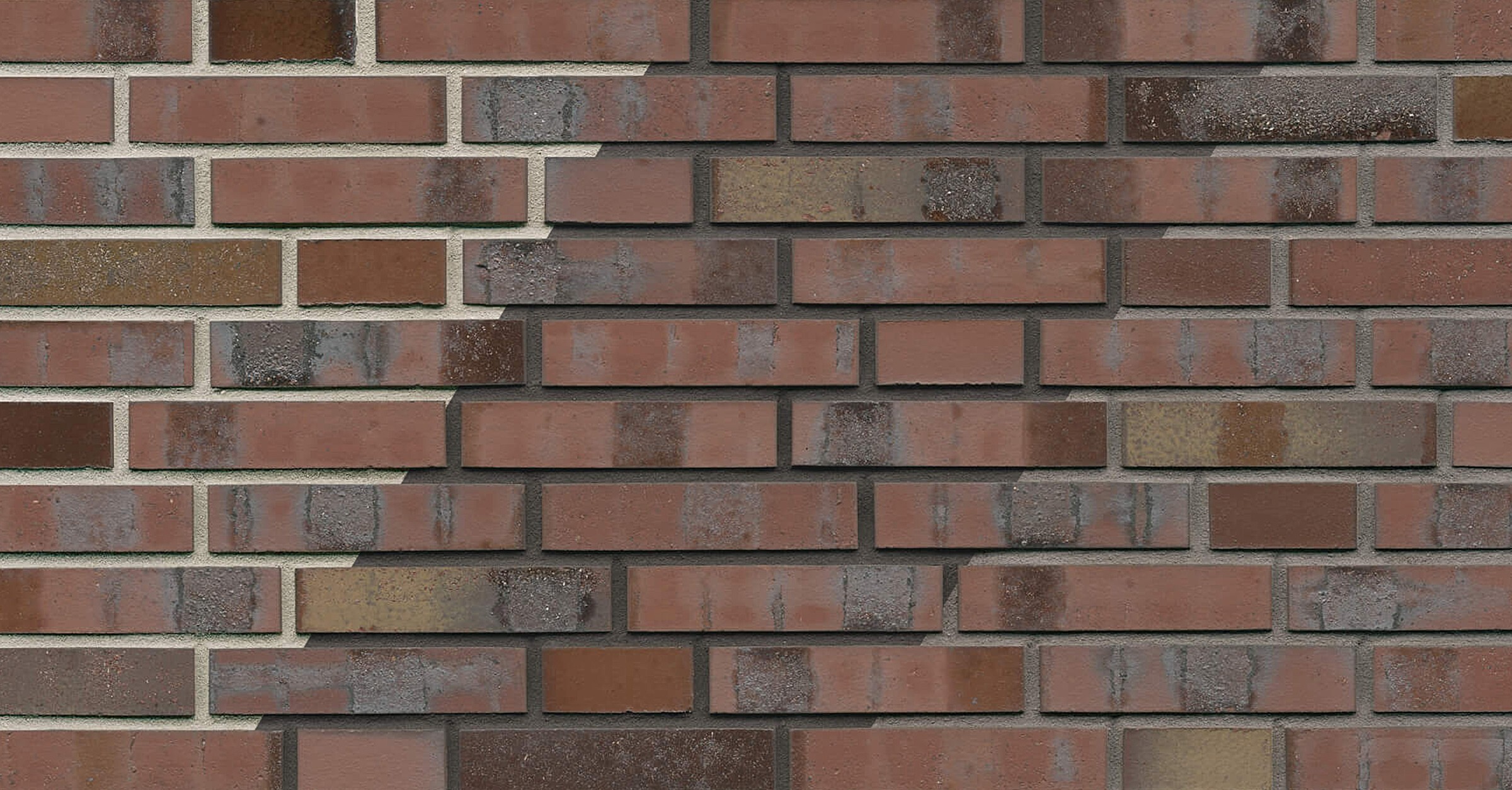
The joint can be used to control whether the bricks stand out or whether a calm, visually cohesive surface is created. A contrasting joint creates a clearer division in the brickwork. A joint in a similar colour takes a back seat and makes the bricks and mortar appear homogeneous. Both approaches can be appropriate – the decisive factor is the desired architectural effect.
At what stage of the planning process should planners take the issue of joint mortar into account?
Very early on. The final colour does not need to be decided straight away. However, the eventual appearance of the façade should be considered from the outset. This requires a clear understanding of how the joints and mortar contribute to the final result. Should each brick be individually visible? Should the joint provide a contrast to the clinker bricks?
If these questions are asked too late, the finished building may look different from what was planned. Although the clinker bricks will have been carefully selected, the overall appearance will be altered in a different direction by the joints.
What design options do planners have when it comes to joints?
The key factors are colour, depth, texture and joint height. The choice of colour determines whether the joints provide contrast or blend in with the clinker bricks. Depth influences the effect of shadows and the three-dimensional appearance of the surface. Furthermore, joints can be finished in a smooth, coarse or lightly brushed manner. Height also plays a role. With long-format bricks in particular, narrower joints can create a very calm effect. The clinker bricks then appear less as individual elements, and the wall appears more as a cohesive surface.
There is no fixed rule as to which joint suits which brick. What matters is the overall effect created by the interplay between the joint and the clinker bricks.
Not all joints are the same. What application techniques can architects choose, and how do they differ?
Essentially, there are two main techniques. With traditional pointing, the brickwork is laid first. The builders then rake out the joints and fill them later with jointing mortar. With simultaneous jointing, the bricklaying and jointing are carried out in a single operation. This is why the term ‘wet-on-wet’ is also used here.
Both methods have their merits. They differ in terms of the process, the appearance and execution requirements. For wet-on-wet jointing, the builders need experience and an understanding of the right moment. Special joint patterns, such as projecting or raised joints, also require specific craftsmanship.
Why are test areas so important?
Small test strips or laboratory samples provide an initial indication. However, these are no substitute for a test area under real-world conditions. This is the only way to see how materials, jointing techniques and craftsmanship interact. My advice is also not to be afraid to carry out repeated testing. The focus should be on achieving the best possible result – even when time efficiency is a priority.
Where possible, the test area should be laid by the company that will carry out the pointing later on. Patience is also key. A joint will not have reached its final colour the very next day. After about two weeks, it is much easier to assess the overall effect. Depending on the weather, it may take several weeks for the joint to cure completely.
If you could give architects and clients one key piece of advice about joint mortar – what would it be?
Discuss the joints at an early stage. Don’t wait until the clinker bricks have been ordered. The joints are an integral part of the façade design. They help determine whether a clinker façade appears calm, lively or three-dimensional. A good joint reinforces the clinker bricks and gives the façade the character required by the architecture. Clarifying the joint colour, jointing technique and finish in good time ensures planning certainty.
Experience the difference: our detailed view of the clinker bricks features numerous examples of different joints. Change the colour to see straight away how the appearance of the clinker bricks varies.


As a sales representative for bulk and bagged products at Remix Droge Mortel BV, Tim Rautenberg supports numerous construction projects, primarily in Germany and the Netherlands. He works closely with planners and knows exactly what is important when it comes to pointing clinker brick façades.
Remix Droge Mortel BV is a Dutch company that manufactures mortar products for various applications, such as concrete construction, joints and floors. The company distributes both standard mortars and customised mixtures through its network of distributors throughout Europe.