


Outdoor surfaces are directly exposed to the elements. Sun, rain, frost, road salt, dirt, tires, shoe soles, sweepers, and outdoor furniture all leave their mark. That is precisely why the quality of a paving material is not determined solely on the day it is installed. What matters is how a surface ages in terms of its technical, functional, and aesthetic qualities.
Color is a key factor in this regard. It shapes the first impression of a patio, a path, a forecourt, or a public space. It provides orientation, creates atmosphere, and establishes a connection to the architecture. But not all colors are the same. There is a fundamental difference between a colored concrete block with a finished surface and a fired paving brick: In one, the color effect is strongly tied to the surface. In the other, it originates within the material itself.
Concrete Pavers: Color as a Visible Layer
Many colored concrete pavers have a two-layer construction. The load-bearing core concrete provides strength and stability. The visible top layer, known as the facing concrete, gives the paver its color, texture, and character. Pigments, aggregates, or colored stone chips are incorporated into this layer. In addition, concrete pavers can be surface-finished, impregnated, coated, blasted, washed, or ground.
This opens up a wide range of design possibilities. Concrete can appear very uniform, graphic, and modern. Surface-finished products in particular often achieve high color brilliance and a cohesive, prestigious appearance when new. At the same time, this is precisely where the difference from paving clinker lies: The color-defining layer is primarily located on the surface or in the facing layer.
In use, however, it is primarily this surface that is subjected to wear and tear. Mechanical abrasion, small scratches, fine dust, efflorescence, soiling, or changes in the cement matrix can alter the perceived color effect over the years. This does not necessarily mean that the pigment itself “fades” chemically. In practice, the change often manifests in more nuanced ways: The surface lightens, appears duller, loses its sense of depth, or shows signs of wear and weathering more clearly.
Such changes may be more noticeable, especially on dark, uniform, or very richly colored surfaces. Coatings and finishes can initially enhance color vibrancy and improve cleanability. Nevertheless, they remain part of the surface itself. Anything on the surface must withstand the constant demands of outdoor use, maintenance, and weather conditions.
Paving Clinkers: Color Born of Fire
With paving clinker, the color is not applied as a subsequent coating and does not exist solely in a superficial visible layer. It is the result of the ceramic firing process. Clay, loam, minerals, oxygen supply, temperature control, and the firing atmosphere determine how the body develops. This interplay gives rise to the characteristic red, brown, yellow, blue, anthracite, or charcoal-fired hues.
This color is inherent to the material. The clinker is not merely colored on the surface but is shaped by the firing process in its ceramic structure. This is why we speak of “colors from the fire” when it comes to paving clinker: The color is not applied to the product but is developed from within the material during the manufacturing process.
For design, this offers a unique assurance. Sun, rain, and use do not alter the appearance of a clinker surface in the sense of fading. Rather, a natural patina develops over the years. The surface does not age against the logic of the material, but with it. This is a key difference: While surface-dependent color effects can lose intensity due to abrasion and weathering, the fired color character of the paving clinker remains intact.
_HS.jpg?width=1320&height=689&name=Hamburg_Ericusspitze_Springer%20Verlag%20Hochhaus_Objkektsorte%20Ericusspitze%20(23)_HS.jpg)
Color Fastness as a Design Quality
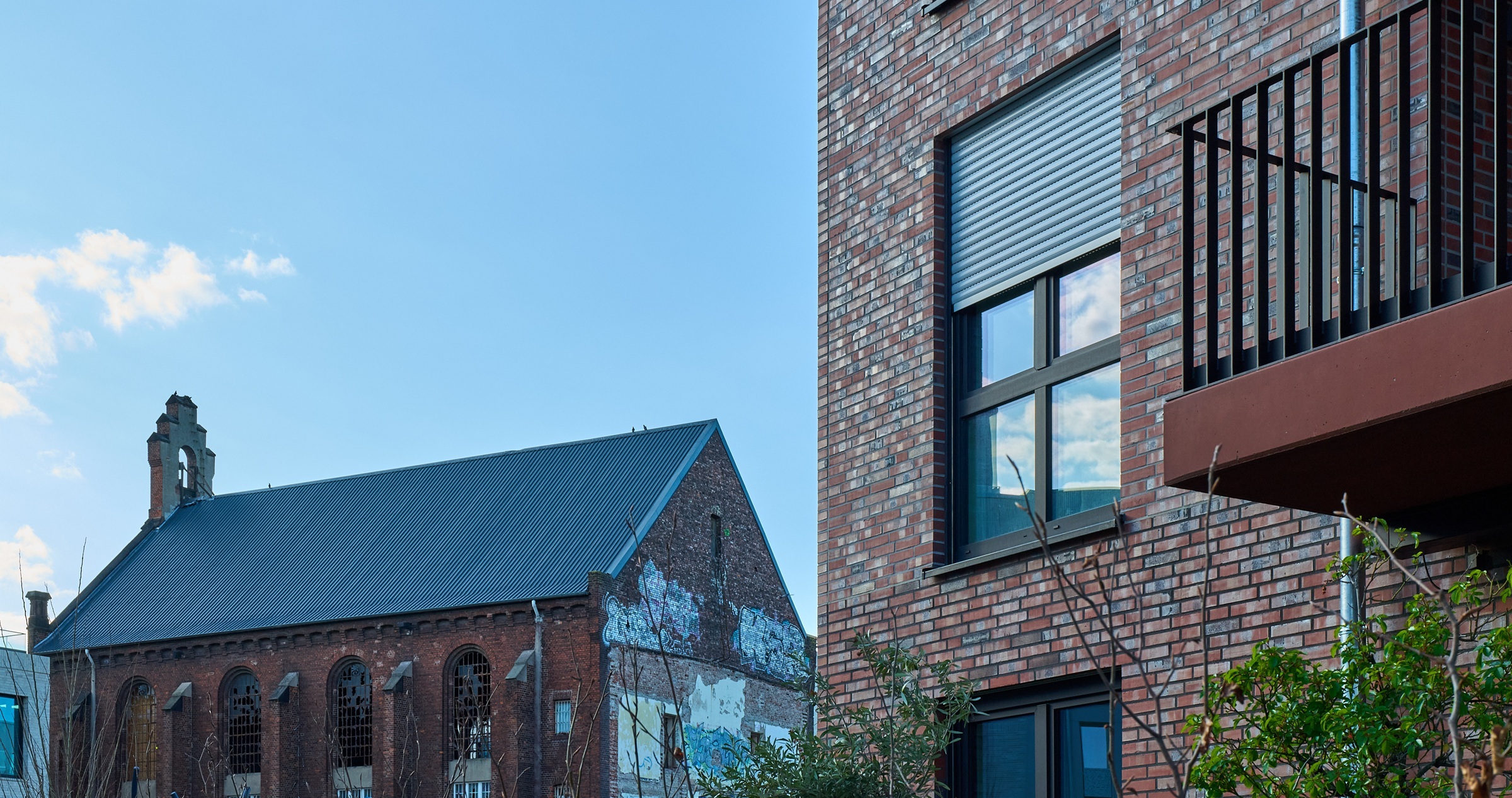
In architecture and landscape design, color is not merely decorative. It is an integral part of the design. A light-colored surface can create a sense of spaciousness and openness. Dark paving tones can impart definition, tranquility, and a sense of presence. Warm red and brown hues connect outdoor spaces to established urban landscapes, brick architecture, or natural settings. Subtle color variations can enliven large areas without appearing chaotic.
Especially for durable outdoor surfaces, it is not only the initial color that matters, but its longevity. Paths, plazas, terraces, and courtyards should function not just on the first day, but for decades. They must withstand weathering, use, and cleaning without losing their design quality.
Paving clinker offers an architectural advantage here: the color is part of the ceramic body. It remains effective even when the surface is used intensively. Signs of wear do not appear as a loss of coating or as the wearing away of a colored surface, but as part of a natural aging process. The material develops depth without losing its character.
Durable surface, long-lasting effect
In addition to color fastness, material density also plays a role. Paving clinker is fired at high temperatures until it is sintered. This creates a dense, durable ceramic body with low water absorption. The surface is resistant to frost, temperature fluctuations, dirt, grease, acids, and salts.
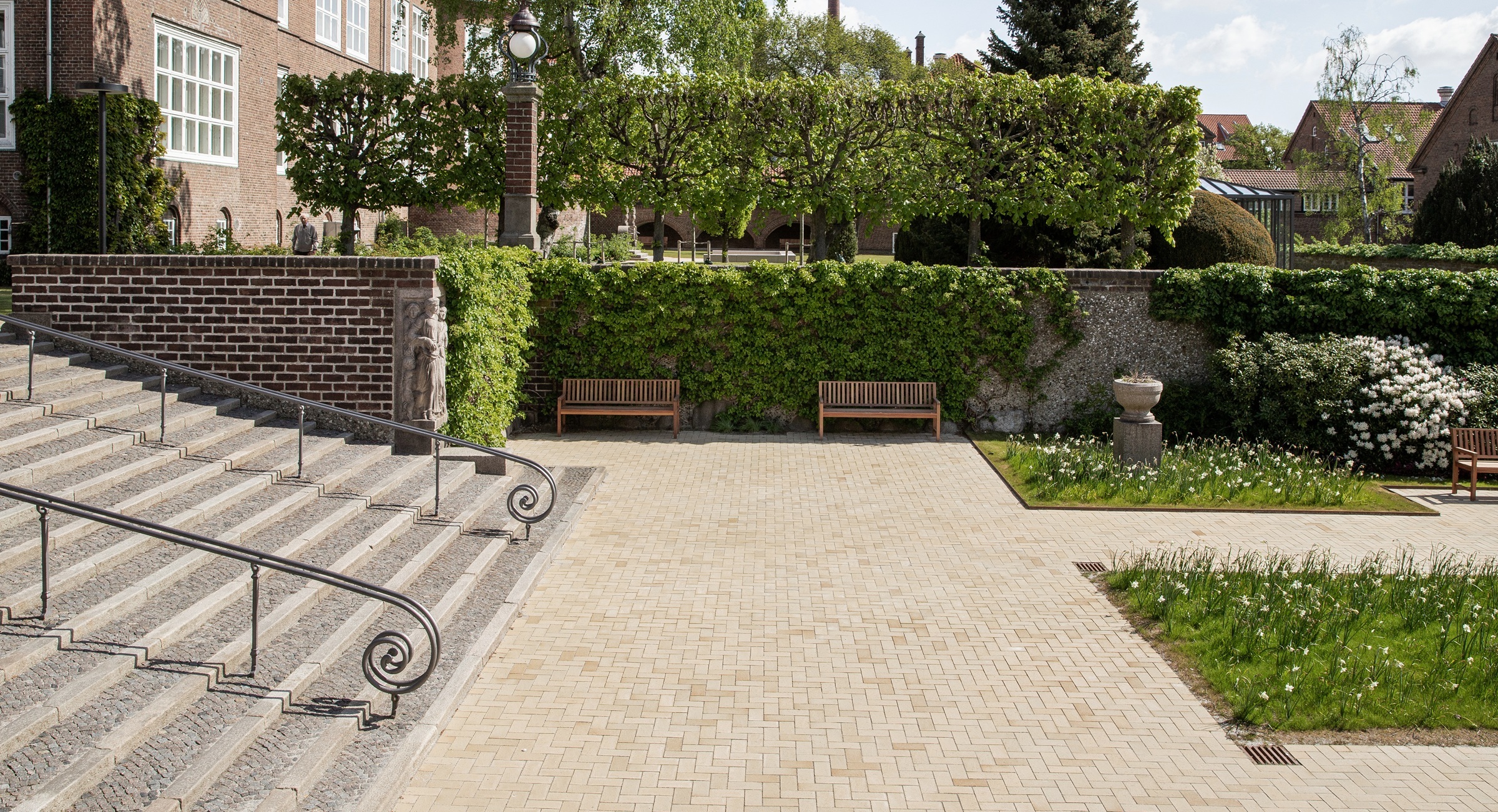
For outdoor surfaces, this means that paving clinker is not only aesthetically durable but also functionally resilient. It is suitable for private patios and garden paths as well as for driveways, plazas, public open spaces, or heavily trafficked walkways. Natural weathering aids in cleaning; in many cases, regular sweeping and appropriate maintenance are sufficient.
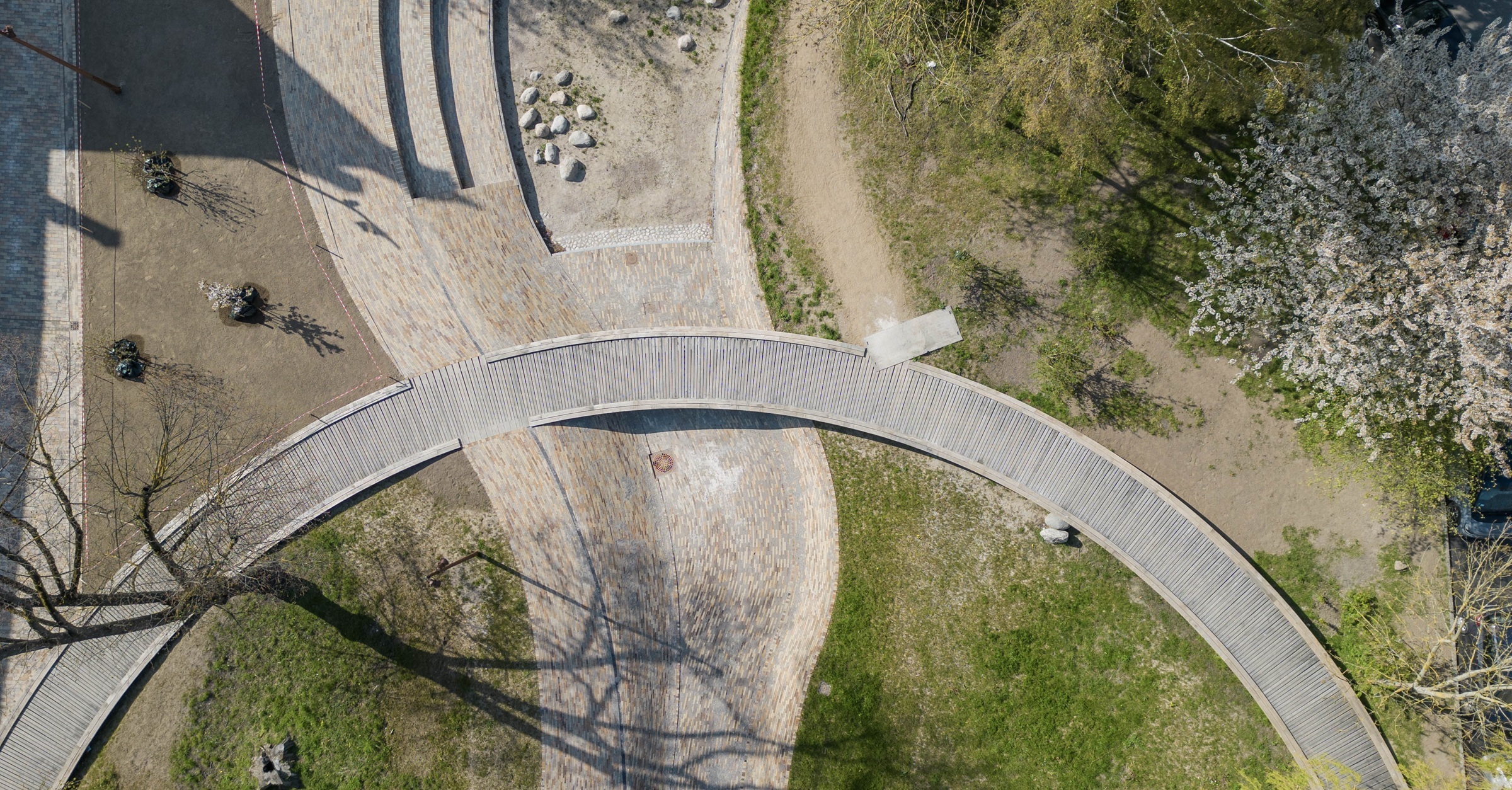
This combination of technical durability and a warm material quality is particularly appealing. Paving clinker does not appear sterile. It has a tactile, lively surface that reflects light in different ways, casts shadows, and develops its own rhythm depending on the laying pattern. This creates surfaces that are both robust and atmospheric.
_HS.jpg?width=2400&height=1254&name=Ratingen_Liverpool%20Riegel%20(7)_HS.jpg)
Designing with Nuances Instead of Coatings
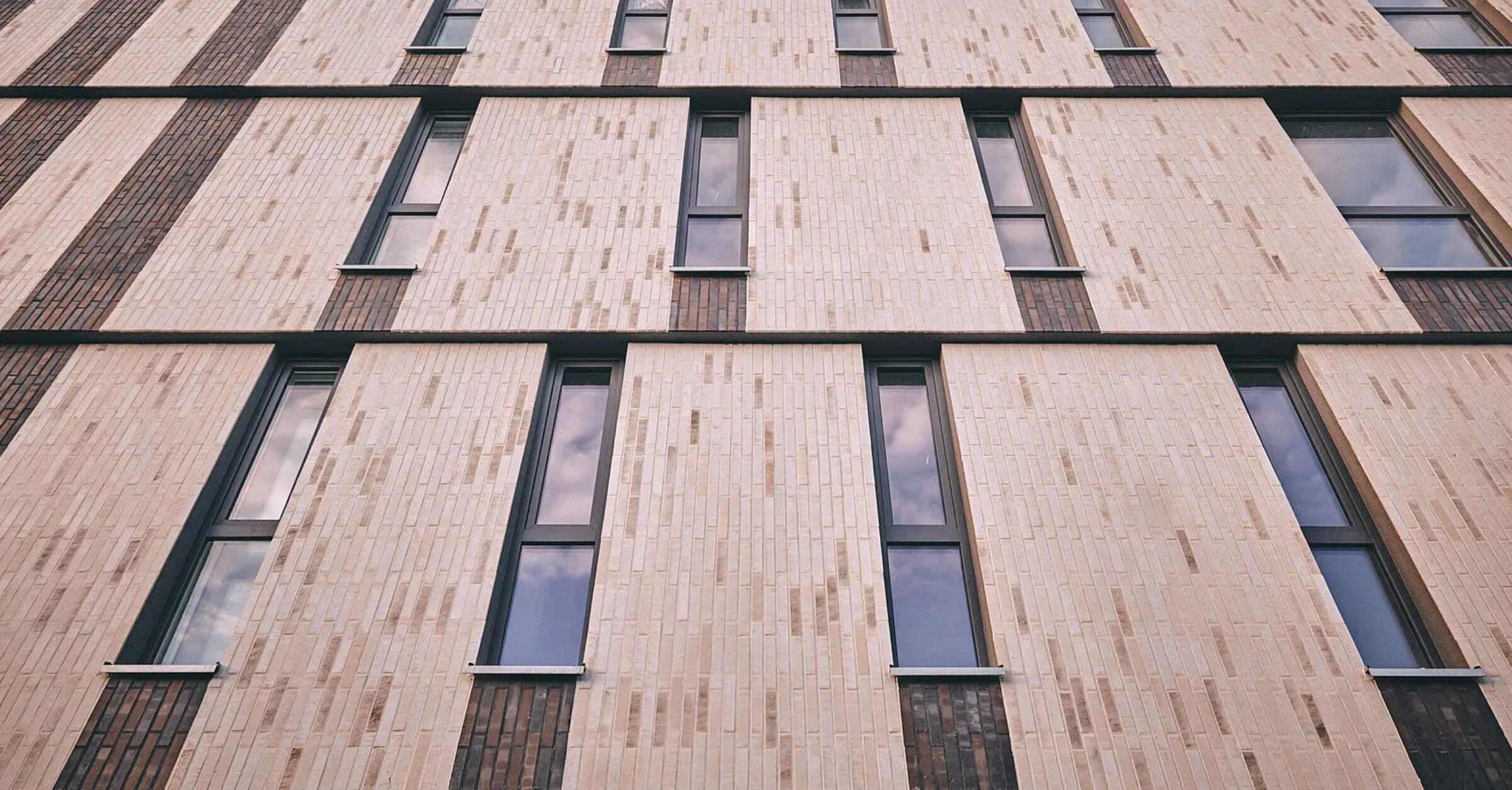
The diversity of paving clinker does not result from an applied coat of paint, but rather from the raw material, firing process, and sorting. This allows surfaces to be designed to be very calm, very lively, or deliberately nuanced. The spectrum ranges from light, sandy tones to dark red and blue clinker, and from warm red hues to anthracite-colored varieties.
This coloration possesses a depth that comes from the material itself. Individual clinkers differ slightly from one another without appearing random. Especially in larger areas, this creates a natural appearance that changes with the architecture, vegetation, and light. The surface remains present without being intrusive.
In comparison, a concrete block with a very uniform color may initially appear more precise and serene. Over the years, however, it becomes clear just how strongly the effect depends on the surface. Paving clinker relies less on perfect uniformity than on durability appropriate to the material. Its beauty lies not in a flawless coating, but in the durability of the fired material.
Conclusion: Color is a matter of depth
When planning exterior surfaces, color should not be viewed merely as a visual choice. It is about the material’s depth, how it ages over time, and its long-term design quality. Colored concrete pavers can create clear, intense, and modern surface patterns when new. With many products, however, the color effect is tied to the visible facing layer, the surface, and any finishes applied.
Paving clinker follows a different principle. Its color is created in the kiln. It is part of the ceramic body and thus not just a surface feature, but a material property. This makes it colorfast and lightfast, durable under stress, and reliable in design.
For patios, paths, plazas, and public spaces, this means: paving clinker retains its character over a long period of time. It does not age through the loss of a superficial color layer, but rather develops a natural patina. This is precisely where its quality as a paving material lies.